







Search Results for: Asalia Processing Plant
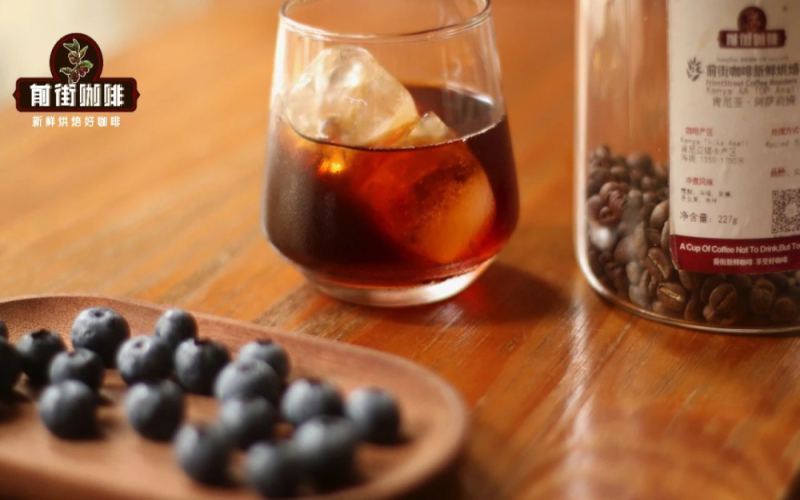
Analyzing the Grading Differences Between Kenya AA and AA TOP: A Detailed Look at the Asalia K72 Washed Beans from the Thika Region
Kenyan coffee is famous for its bright, juicy acidity, and labels such as AA, AB, and AA TOP are common in China. How exactly are these grades divided? Is there a substantial difference between AA and AA TOP? This article will start with Kenya's official grading system, analyze the criteria for grades such as AA, AB, PB, and E, and explain the meanings of secondary grading terms such as TOP, Plus, and FAQ set by exporters themselves. It will also introduce the K72 washed coffee beans from the Asali Processing Plant in the Thika region, which use SL28 and SL34 varieties, are AA grade, and are light-roasted by Front Street Coffee to present flavors of cherry tomato and smoked plum. [more…]
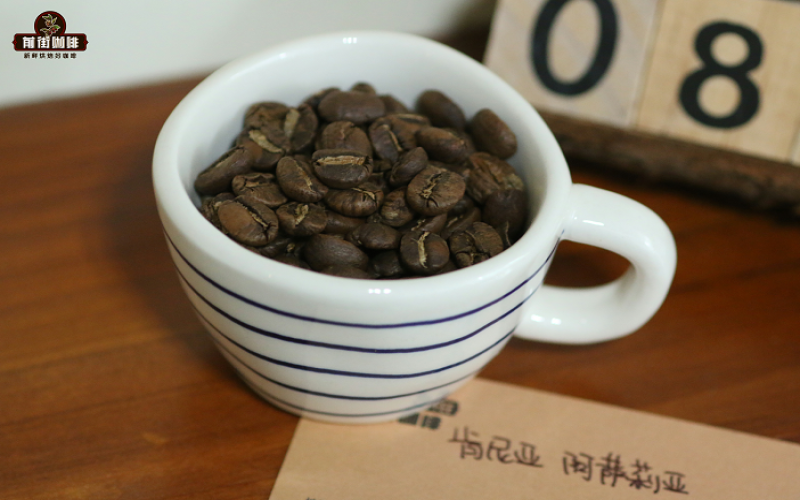
Kenya Asalia Washed Coffee Beans Pour-Over Guide: Flavor Layers and K72 Processing Method Explained
Kenyan coffee is renowned for its vibrant fruit acidity and multi-layered flavors, and the Asalia washed beans launched by Front Street Coffee are a typical representative. This coffee comes from the Asali processing plant in the Thika region, at an altitude of 1,550 to 1,750 meters, with varieties SL28 and SL34, using the Kenyan-style 72-hour fermentation washed method. The flavor presents a complex tonality of snow pear, smoked plum, yellow sugar, plum, and cherry tomato. This article will guide you through the background of the Kenyan region, the origins of the SL varieties, and the K72 processing technique, and share Front Street's roasting curve and two brewing methods—V60 and cake cup—comparing the flavor performance under different drippers to help you fully unleash this coffee's juicy feel and floral finish. [more…]
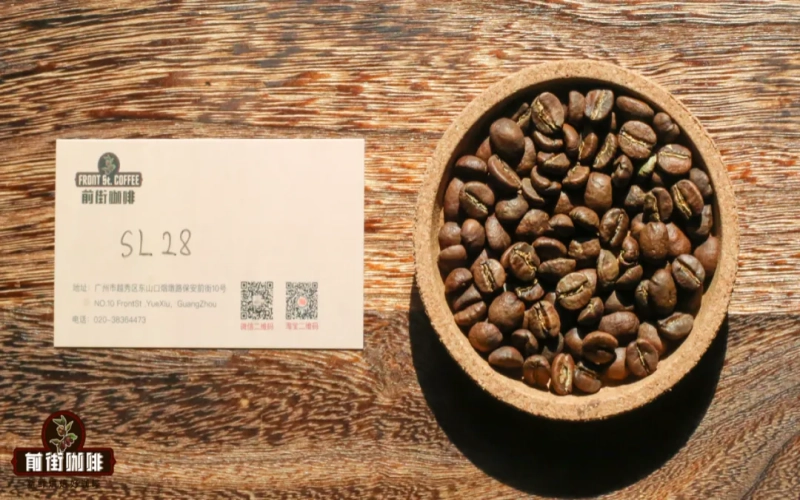
Kenyan Coffee's Grade Positioning and the Origins of Its Tomato Flavor: The Past and Present of the SL28 Variety
Kenyan coffee is world-renowned for its bright acidity and distinctive flavors of dark plum and cherry tomato, and behind this lies a key variety—SL28. This direct descendant of Bourbon, bred by Scott Laboratories in the 1930s, is not only drought-resistant and high-yielding but also boasts outstanding flavor performance, making it the core force behind the creation of the "Kenyan flavor." This article, from the perspective of Front Street, will trace the origins, characteristics, and spread of SL28, analyze the causes of Kenya's unique coffee flavor, and share a brewing guide for Front Street Kenya Asalia, giving you a comprehensive understanding of the charm of this African star bean. [more…]
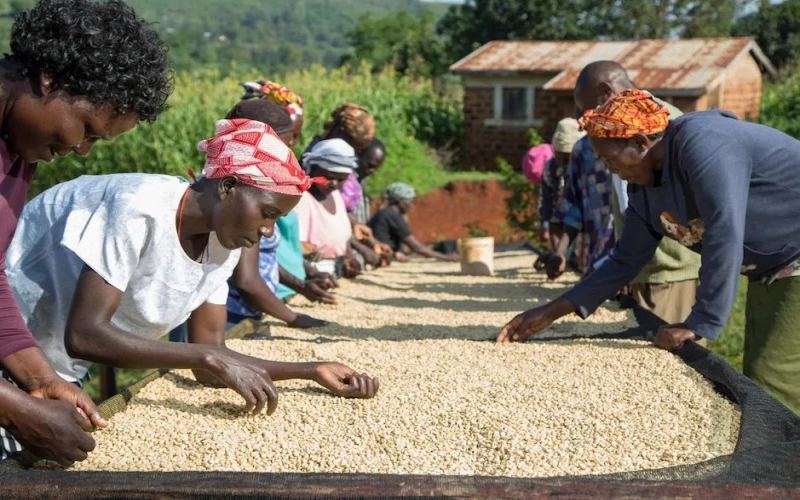
A Complete Guide to Kenyan Coffee Varieties: The Historical Origins and Flavor Characteristics of SL28, SL34, and Ruiru 11
Kenyan coffee is renowned worldwide for its bright fruit acidity and thick, juicy body, and SL28 and SL34 are the core varieties that shape this classic flavor. These two varieties were developed by the Scott Laboratories over nearly three decades and released in the 1950s, profoundly influencing the landscape of Kenya's coffee industry. However, the threat of pests and diseases gave rise to new varieties such as Ruiru 11 and Batian. This article will trace the origins, flavor characteristics, and current cultivation status of these varieties, and introduce the variety information of Front Street Kenya Asalia coffee beans, taking you deep into the world of Kenyan coffee varieties. [more…]
Kenya Coffee Industry Panorama: From Berman Estate to Front Street Asalia - Regions, Grading, and Flavor Analysis
Kenya, with its exceptional climate conditions and a continuously refined industry system, has cultivated Arabica coffee with distinct flavors and outstanding quality. This article starts with Dormans Estate, Kenya's largest coffee producer, to systematically trace the rise of Kenyan coffee—including the SL28/SL34 breeding mechanism, government promotion, the auction system, unique grading standards, and the 72-hour washed fermentation process—and further analyzes the characteristics of core producing regions such as Nyeri, Kirinyaga, and Murang'a. It also presents Front Street Coffee's Kenyan Asalia (Little Tomato) brewing recipe and flavor review, offering coffee enthusiasts a complete picture of Kenyan specialty coffee. [more…]

Kenya AA Coffee Beans | Introduction to Kenyan Coffee Varieties SL28, SL34 and Their Flavor Characteristics
Just as different grape varieties produce wines with vastly different flavors, the variety of coffee beans is also one of the key factors influencing the flavor of the coffee in your final cup. Panama's T2722 Geisha is the best example—it has drawn widespread attention for its white floral aromas and citrus fruit notes. And today, Front Street Coffee wants to share [more…]
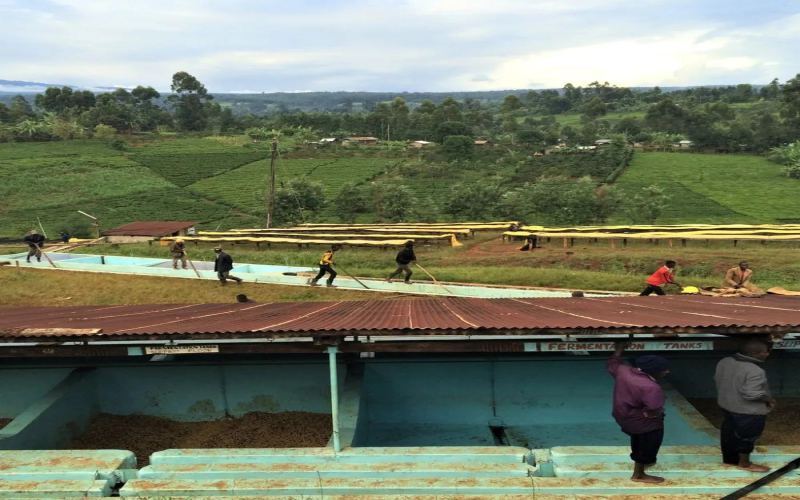
An Analysis of the Differences Between Kenyan K72 Washed and Regular Washed Processing: A Comprehensive Introduction to SL28 and SL34 Coffee Beans from Asalia in the Thika Region
Kenyan coffee stands out in the global specialty coffee scene with its distinctive notes of black plum and cherry tomato acidity, along with a juicy sweetness. The formation of this flavor profile benefits from the region's superior geographical and climatic conditions, as well as high-quality varieties like SL28 and SL34, and the highly distinctive K72 washing process. This article will start from the ordinary washing process, detail the origin and evolution of the K72 method, compare the key differences between the two in fermentation duration, process flow, and cost investment, and introduce the currently available Front Street Coffee SL28 and SL34 coffee beans from the Asali Processing Plant in the Thika region, giving you an in-depth understanding of the logic behind Kenya coffee's unique flavor. [more…]
A Complete Guide to Pour-Over Kenyan Coffee: SL28 and SL34 Varieties, K72 Processing, and Brewing Parameters
Kenyan coffee, with its full-bodied, solid fruity acidity and juice-like mouthfeel, has become a favorite among many fans of acidic coffee. To brew a Kenyan bean well, first understand its varietal characteristics, growing environment, and processing method before discussing brewing parameters—this often yields twice the result with half the effort. This article starts with Front Street Kenya Asalia coffee beans, sorting out the origins and flavor differences of the two classic varieties SL28 and SL34, analyzing how Kenya's unique 72-hour fermentation washed processing method shapes complex acidity, and providing detailed pour-over grind size, coffee-to-water ratio, water temperature, and three-stage pouring scheme for light-medium roasted Kenyan coffee, helping you recreate layers of cherry tomato, black plum, berry, and honey-like notes at home. [more…]
A Roundup of Flavor Profiles and Signature Beans from the World's Top Ten Coffee-Producing Countries: From Panama Geisha to Yunnan Sun-Dried Typica
Coffee is one of the world's three major beverages, but the coffee tree has quite demanding growing conditions: it must be located near the equator, between 15 and 25 degrees north and south of the tropics, and it also requires sufficiently high altitude, a cool climate, and abundant rainfall. About 50-plus countries around the world are able to grow coffee, and coffee from different origins has its own strengths in quality, taste, and mouthfeel. In this article, Front Street Coffee will review ten representative coffee-producing countries and their signature beans, covering Panama Hacienda La Esmeralda Geisha, Ethiopia Sidamo Flower Chief, Jamaica Blue Mountain, Kenya Asalia, Indonesia Golden Mandheling, Colombia Rose Valley, Brazil Queen's Farm, Honduras Sherry, Costa Rica Musician Series, and Front Street 2013 Yunnan Small-Bean Natural Typica, taking you through the flavor characteristics and stories behind each origin at once. [more…]
Kenya AA Coffee Pour-Over Parameters Explained: A Full Breakdown of Water Temperature, Coffee-to-Water Ratio, and Flavor Characteristics by Region
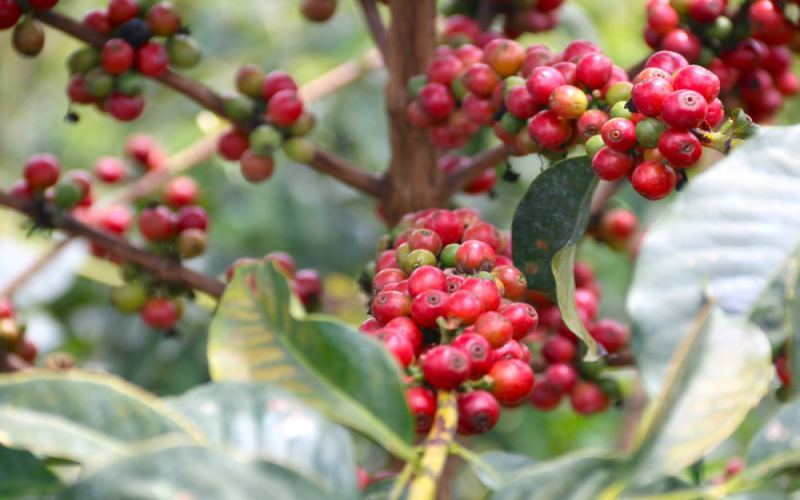
Kenyan coffee is renowned for its bright berry acidity and full-bodied juiciness, making it a standout among African specialty beans. From the perspective of Front Street Coffee, this article systematically traces the rise of Kenyan coffee: from the Scott Laboratories' selection and breeding of SL28 and SL34, to the Nairobi auction system and AA grading system, and on to the iconic K72 long-fermentation washed method. The article also introduces one by one the altitude, harvest period, and varietal differences of core producing regions such as Nyeri, Kirinyaga, and Muranga, and, using the Asalia processing station as an example, provides a hands-on pour-over recipe of 15 grams of grounds, a 1:15 coffee-to-water ratio, and a water temperature of 89 to 92 degrees Celsius, along with a complete pouring rhythm and flavor description. [more…]
Kenyan Coffee Beans: A Complete Guide to the Flavor Profiles of Seven Major Regions, AA Grading, 72-Hour Washed Processing, and SL Varieties
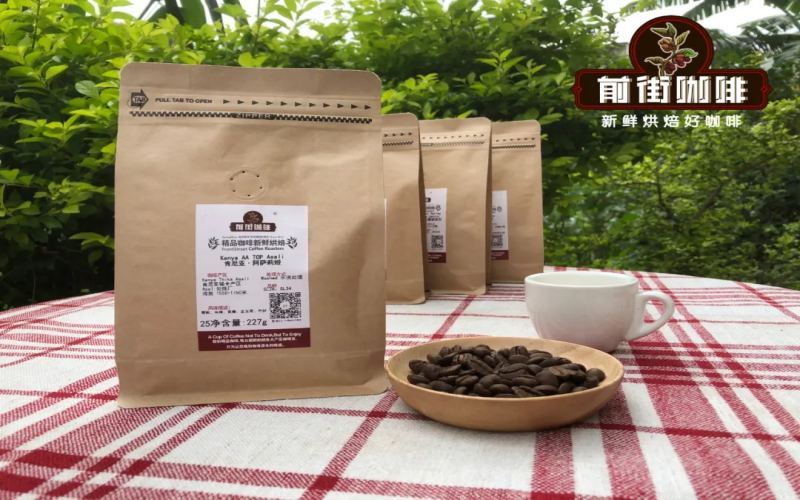
Kenyan coffee has always been a favorite among acidity lovers, and in recent years it has shown a full berry-juice feel, dark plum acidity, and caramel sweetness. This article systematically reviews Kenya's coffee-growing geography and harvest seasons, the terroir characteristics and elevation ranges of seven well-known producing regions (Thika, Kirinyaga, the western side of Mount Kenya, Nyeri, Kiambu, Ruiru, and Murang'a), explains the AA grading system and the TOP/PLUS/FAQ cupping grades, details the world-famous K72-hour washed processing method, traces the breeding history and flavor differences of the two representative varieties SL28 and SL34, and includes Front Street Coffee's brewing parameters and technique suggestions, helping readers gain a comprehensive understanding of the unique charm of Kenyan coffee. [more…]
The Acidic Charm of Kenyan Coffee: An Analysis of Production Regions, SL Varieties, and the 72-Hour Washed Process
Kenyan coffee is world-renowned for its bright, uplifting acidity and full, juicy body, making it the benchmark for acidity in the minds of many coffee lovers. This article will start with Kenya's coffee-growing geography and harvest seasons, then go through the characteristics of each of the seven major producing regions one by one, explain the AA grading system and the unique 72-hour washed processing method, and take an in-depth look at the origins and flavor profiles of the two classic varieties, SL28 and SL34. At the same time, Front Street Coffee will share, based on its own roasted Kenya Asalia coffee beans, how to use a segmented extraction approach to fully bring out this bean's rich fruity aromas of cherry tomato and black plum along with its thick, syrupy juice-like body. [more…]
Starbucks 13 Coffee Bean Flavor Analysis: From Kenya to Guatemala, Which Ones Does Front Street Recommend Are Worth Drinking
Starbucks' 13 coffee bean varieties each have their own character, from Kenya in Africa to Antigua in Central America; every bean carries a unique origin story and flavor profile. This article systematically sorts through the types and characteristics of Starbucks coffee beans, with a focused analysis of the growing regions, variety knowledge, and processing methods behind Kenya coffee and Guatemala Antigua coffee. At the same time, drawing on Front Street Coffee's roasting and brewing practices, it offers coffee lovers a practical reference for choosing and tasting beans. [more…]
An Analysis of Kenya's Coffee Industry Landscape, Bean-Type Grading System, SL Series Varieties, and the K72 Washing Process
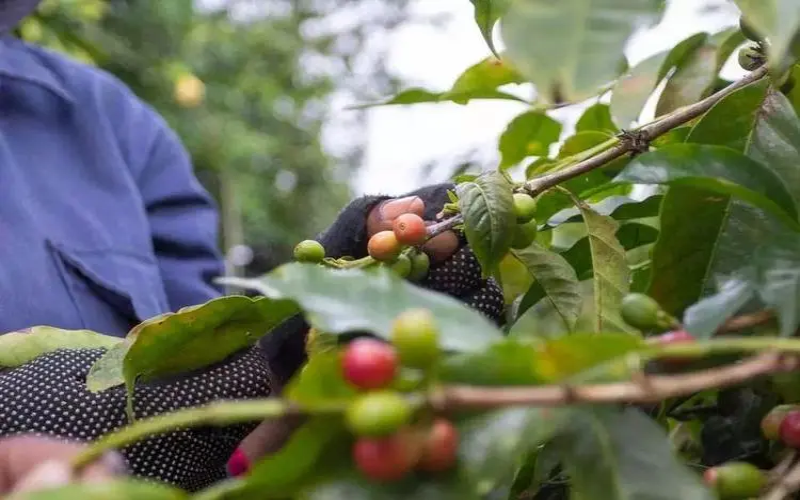
Kenya is located in the equatorial zone of East Africa, with the Great Rift Valley running through the entire country. The central highlands and volcanic soil provide an ideal terroir for specialty coffee. From the introduction of coffee by French missionaries in 1893, to the large estate cultivation during the British colonial period, to the passage of the Coffee Act in 1933, the establishment of the auction system in 1934, and the agricultural legislation of the 1950s that granted farmers land use rights, Kenya gradually built up its own coffee industry. Its grading system is based on bean size and quality, divided into AA+, AA, AB, PB, C, E, TT, and T. Exporters also add cup grading of TOP, PLUS, and FAQ to AA and AB. In terms of varieties, SL28 and SL34 are representative, with the former originating from Bourbon and the latter from Typica, offering complex flavors and prominent sweetness. In terms of processing methods, K72 washed processing forms a 72-hour cycle through three rounds of 24-hour fermentation each, bringing bright acidity and a clean mouthfeel. Front Street Coffee's Asalia AA TOP comes from the Asail processing plant in the Thika region, using SL28 and SL34 with K72 washed processing, presenting flavor notes of cherry tomatoes, smoked plums, berries, citrus, and green tea. [more…]
Kenya AA TOP Pour-Over Details and Flavor Origins: A Complete Guide from Regional Grading to Front Street Coffee Brewing Parameters
Kenyan coffee has always been celebrated for its clean, translucent, and intensely juicy acidity, and AATOP is among the most sought-after grades. Drawing on the experience of Front Street baristas, this article systematically covers Kenya's growing terroir, historical context, ten major producing regions, official grading standards, and explains why its washed fermentation process creates the signature bright fruit acidity. Finally, using Front Street Kenya Asalia as an example, it provides drip filter choices, water temperature ranges, grind assessment, and a three-pour brewing scheme for light-roast pour-over, helping enthusiasts recreate at home a cup of Kenyan coffee with solid sweet-tart balance and a tea-like finish. [more…]
An Analysis of Kenya's SL28 and SL34 Varieties: The Origin of K72 Washed Processing Flavors and Front Street Coffee Brewing Recommendations
Kenyan coffee is famous for its bright fruit acidity and clean mouthfeel, and the K72 washed processing method along with the SL28 and SL34 varieties deserve much of the credit. From the perspective of Front Street Coffee, this article outlines the 72-hour cyclic fermentation process of the K72 processing method, analyzes the growing conditions of the Kenyan highlands, the origins and flavor differences of the SL series varieties, and introduces improved varieties such as Ruiru11 and Batian. It also compiles Kenya's coffee grading system and includes the roasting and brewing data for Front Street's Kenya Asalia and Sachini PB, helping coffee enthusiasts understand the causes of Kenyan coffee's unique cherry tomato acidity. [more…]
The Historical Origins of Starbucks Kenya Coffee and a Detailed Guide to Brewing Kenya AA Coffee Beans
For those new to Kenyan coffee, the distinctive acidity reminiscent of cherry tomatoes and prunes is often unforgettable from the very first sip. Starbucks once launched a classic Kenya coffee whose elephant logo on the packaging has long become iconic. From the perspective of Front Street Coffee, this article systematically reviews the growing conditions, variety characteristics, K72 washed processing method, and green bean grading system of Kenyan coffee, and shares in detail the roasting parameters and brewing suggestions for two Kenyan coffee beans available at Front Street—Asalia AA and Sachini Estate PB—taking you through the full charm of Kenyan coffee. [more…]
A Complete Guide to Kenyan Coffee Flavors: From SL28 and SL34 Varieties to the Origin Secrets of the K72 Washed Process
Although Kenya is adjacent to Ethiopia, the birthplace of coffee, its commercial coffee cultivation did not begin until the early twentieth century. Yet in just a few decades it has risen to become a benchmark of the world's specialty coffee. The equator runs through it, the East African Rift Valley cuts north to south, and the volcanic highlands at 1,600 to 2,100 meters provide uniquely favorable growing conditions for Kenyan coffee. From the perspective of Front Street Coffee, this article reviews the overview of Kenyan coffee cultivation, the distribution of its six major producing regions, the origins and flavor differences of the representative varieties SL28 and SL34, and the K72 washed processing method that makes its berry notes especially vivid, along with the brewing parameters and flavor description of Front Street's own roasted Kenyan Asalia coffee beans, to give you a comprehensive understanding of this origin known for its bold acidity and rich fruity aroma. [more…]
What coffee varieties are good to choose for Kenyan coffee? What roast level is suitable? Is lightly roasted Kenyan coffee really sour?
Kenyan coffee is renowned for its bright fruit acidity and soaring berry notes, which are inseparable from its unique varietal genetics and processing methods. This article will trace the origins of two legendary varieties, SL-28 and SL-34, analyze how Kenya's signature double fermentation washed method (K72) shapes a clean yet intense acidity, and discuss the suitable roast levels and brewing methods for Kenyan coffee. The article will also introduce the flavor performance of Asali Processing Factory beans at Front Street Coffee stores, as well as the specific parameters for Front Street Kenya Small Tomato coffee beans in iced pour-over, ice drip, cold brew, and other methods, helping coffee enthusiasts better understand and enjoy Kenyan coffee. [more…]
Analyzing Kenya K72 Double Washed Processing: Flavor Characteristics of Coffee Beans and the Source of Their Unique Acidity
Kenyan coffee is renowned for its bright and rich notes of dark plum, cherry tomato-like acidity, and juicy sweetness. This is inseparable from the country's favorable geography and climate, high-quality varieties such as SL28 and SL34, and, more crucially, its unique K72 washing process. How exactly did the K72 process evolve? How does it differ from ordinary washed processing? From the perspective of Front Street Coffee, this article will sort out the flavor origins of Kenyan coffee, the historical background and craft details of the K72 process, and introduce the K72 washed coffee beans currently on sale at Front Street Coffee from the Asali Processing Plant in the Thika region. [more…]